

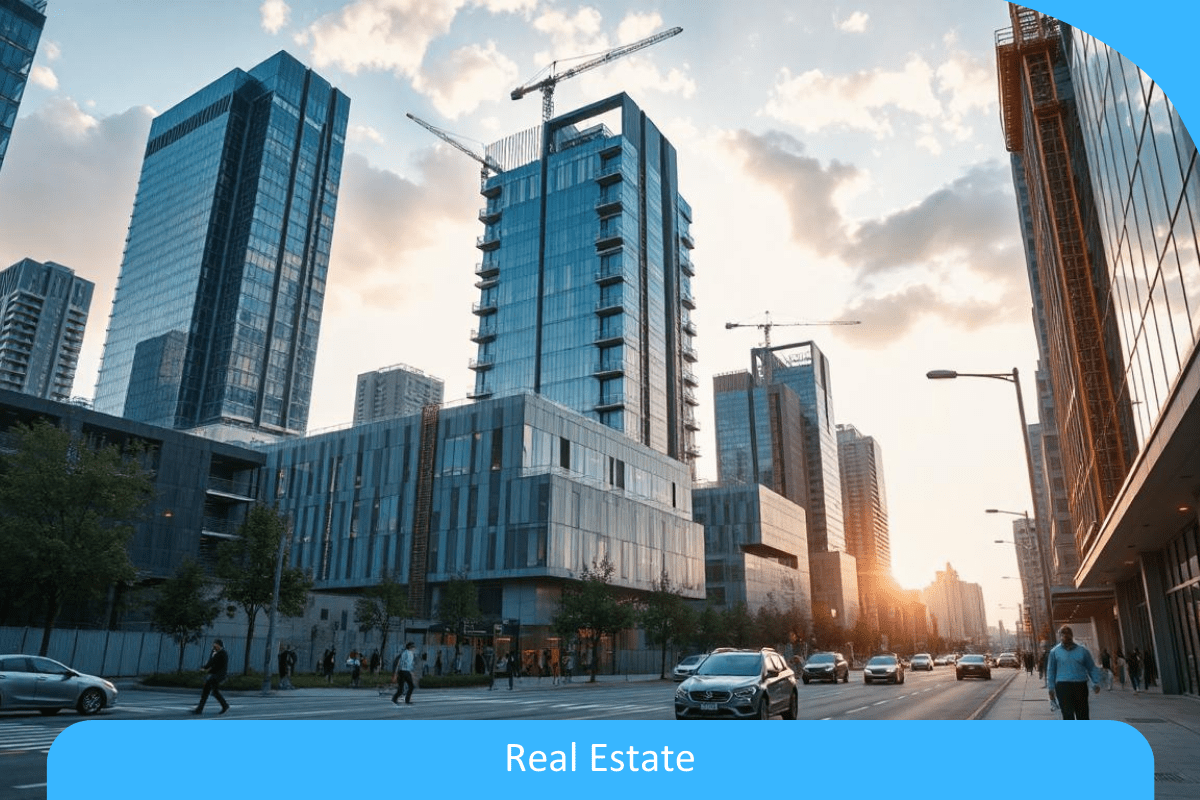
The property world is changing faster than ever. Across global markets, buyers, investors, and developers are navigating a landscape that blends technology, sustainability, and lifestyle trends in ways that were unimaginable just a few years ago. From city apartments to sprawling suburban homes, every decision now demands insight into what drives value, demand, and desirability.
The real estate market innovations at the core of this shift are reshaping everything from property valuation to design. AI-driven analytics, immersive 3D tours, and smart automation are no longer futuristic concepts, they’re practical tools redefining how investments are made and properties are experienced. “The future of real estate isn’t just about buildings; it’s about integrating technology and lifestyle seamlessly,” says Amanda Li, Global Real Estate Consultant.
Emerging Technologies in Real Estate
Technology is taking center stage in modern property markets. Developers and agents who embrace innovation are seeing measurable advantages in efficiency, client engagement, and property visibility.
The latest developments in real estate emphasize convenience, security, and smarter investment decisions. From virtual tours to automated valuation models, technology is removing friction from every step of the process. “Those who ignore tech adoption in real estate risk falling behind,” notes James Carter, Tech-Focused Property Analyst.
AI and Automation in Property Valuation
Artificial intelligence is transforming how properties are priced. Automated valuation models analyze market trends, neighborhood statistics, and buyer behaviors to provide near-instant estimates. This means investors can quickly identify opportunities without waiting for traditional appraisals. Predictive analytics also allow forecasts of property value shifts, giving buyers a strategic advantage.
Virtual Tours and 3D Visualization
Gone are the days of static property photos. Virtual tours and 3D visualizations provide immersive experiences, letting potential buyers explore homes from anywhere in the world. Developers use these tools to highlight spatial layout, interior design, and unique features, making online property exploration as engaging as an in-person visit.
Blockchain for Secure Transactions
Blockchain technology is simplifying transactions with secure, transparent records. Smart contracts eliminate the need for intermediaries, reducing fraud risk and streamlining closings. This technology also supports fractional ownership models, enabling broader participation in real estate investment.
Sustainability and Green Building Trends
Sustainable design is not just a trend; it’s a market expectation. Modern buyers increasingly prioritize eco-conscious properties that combine environmental responsibility with long-term cost savings.
Using latest developments in real estate, developers integrate energy-efficient appliances, smart thermostats, and sustainable building materials like bamboo and recycled steel to meet this demand. Green design appeals to environmentally minded buyers and contributes to healthier living spaces.
Eco-Friendly Materials and Construction
Builders are adopting low-emission concrete, reclaimed wood, and other eco-friendly materials. These innovations reduce carbon footprints while maintaining structural integrity and aesthetic appeal, attracting buyers who value sustainability alongside quality.
Energy-Efficient Home Features
Homes now feature advanced insulation, solar panels, and smart energy systems. Beyond reducing costs, these improvements improve comfort and highlight a property’s forward-thinking design.
LEED-Certified Developments
LEED certification is a marker of excellence in sustainability. Properties with this recognition often attract premium buyers and tenants, demonstrating a commitment to long-term environmental impact.
Changing Buyer and Market Preferences
Buyer behavior is evolving rapidly, reflecting broader lifestyle and work trends. Understanding these shifts is critical for anyone navigating modern real estate.
Remote work, urban-to-suburban migration, and flexible living spaces are reshaping demand. The latest developments in real estate show that people are seeking homes that adapt to dynamic lifestyles while offering convenience, comfort, and investment potential.
Urban vs Suburban Demand Shifts
Post-pandemic trends have driven significant interest in suburban properties, offering space, privacy, and lifestyle flexibility. Meanwhile, urban centers still attract buyers seeking cultural and economic opportunities. Balancing these preferences is key for developers and investors.
Preference for Flexible Spaces
Multi-purpose rooms, open layouts, and adaptive interiors allow homeowners to adjust their spaces as needs evolve. Properties with these features maintain higher long-term value, catering to buyers seeking versatility.
Impact of Remote Work on Property Choices
Remote work has changed location priorities. Many buyers now seek homes that combine residential comfort with office functionality, high-speed connectivity, and access to local amenities, influencing both urban and suburban real estate markets.
Stay Ahead by Understanding Modern Real Estate Trends
To thrive in today’s property landscape, staying informed about real estate market innovations is essential. Integrating sustainable design, technology, and flexible living concepts ensures that investments remain relevant and attractive.
Investors and buyers should consider energy-efficient features, smart home technologies, and adaptable layouts to align with current preferences. “Real estate success comes from anticipating trends before they become mainstream,” says Karen Holt, International Property Strategist. Paying attention to these shifts allows you to make smarter choices and stay competitive.
Now is the perfect time to explore how these trends can benefit you, whether investing, buying, or developing. Keep learning, observe the market, and embrace innovation, your next strategic move might just reshape your property portfolio. Take action today and start aligning your investments with the modern real estate market.